

An interior designer is the author of your home’s design. They plan how your spaces will work, turn your family’s routines into a concept, and answer for the finished result on site.
In Singapore, that authorship separates a designer from a builder working to instructions. Understanding the difference in their roles helps you choose well before you sign anything.
What Is the Role of an Interior Designer Compared to a Builder’s?
You engage a builder to carry out set instructions, such as a countertop height or the stone for a feature wall. However, a builder doesn’t plan the space or originate the design.
In contrast, the role of an interior designer is broader and begins much earlier. A designer plans the layout around your routines and translates your family’s requirements into one design concept. They then answer for how that concept takes shape on site.
Core Interior Designer Responsibilities, From Plan to Handover
Most interior designer engagements cover the same core duties, each tied to how your family uses the home.
Planning the Space: Proposing layouts shaped by your routines, from where you work late to how you host.
Developing the Design: Producing concepts, 3D visualisations, and detailed drawings for carpentry and fixed elements.
Sourcing Materials and Furniture: Selecting every finish and piece against one design intent, so every room in the home is cohesive.
Overseeing Every Trade on Site: Directing each trade and specialist, managing timelines, and checking quality through to handover.
However, these responsibilities vary widely between firms. When you compare proposals, ask which duties sit within the engagement and which fall back to you. Clear answers are essential for you to choose an interior design consultancy that holds your brief throughout.
What an Interior Designer Does Not Do
An interior designer isn’t licensed to design structures or provide architectural services. Any work that alters the structure or needs an authority submission requires a registered architect or professional engineer.
Designers typically don’t accompany you to viewings or negotiate a property purchase either.
At the same time, many designers manage the works on site. Project management then extends their design responsibility into the build, so the person who planned your home stays answerable for it.
Why the Distinction Matters More in Landed Homes and Luxury Condominiums
With interior design for landed property in Singapore, the scope spans several storeys, staircases, and outdoor spaces that must read as one house.
Meanwhile, high-end condo interior design works within a fixed envelope, where joinery, proportion, and concealment carry the design. That said, in both cases, one misjudged decision on site can unsettle an entire home.
For these property types, an interior designer is usually worth the expense because one party authors the design and answers for the outcome. Your designer weighs every substitution against your brief, not against whatever happens to be available that week.
One Author, From Concept to Completion
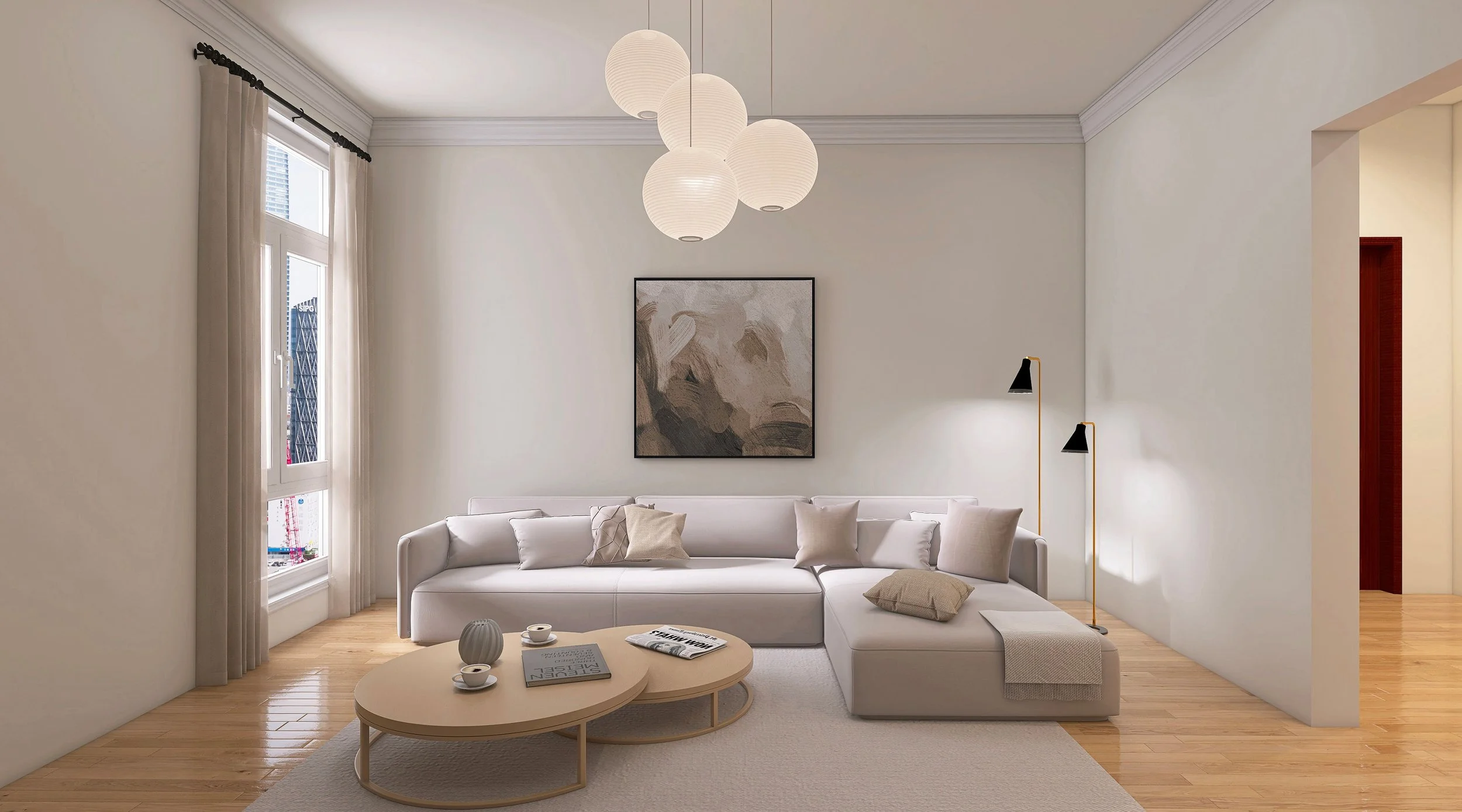
Ultimately, what an interior designer does is define your home’s design and own it from concept to completion.
If you’re comparing an interior designer with a builder, speak with luxury interior designers who take full ownership of the outcome. Share your floor plan with our team at Summerhaus, and we’ll help you plan a home that matches how your household lives.