
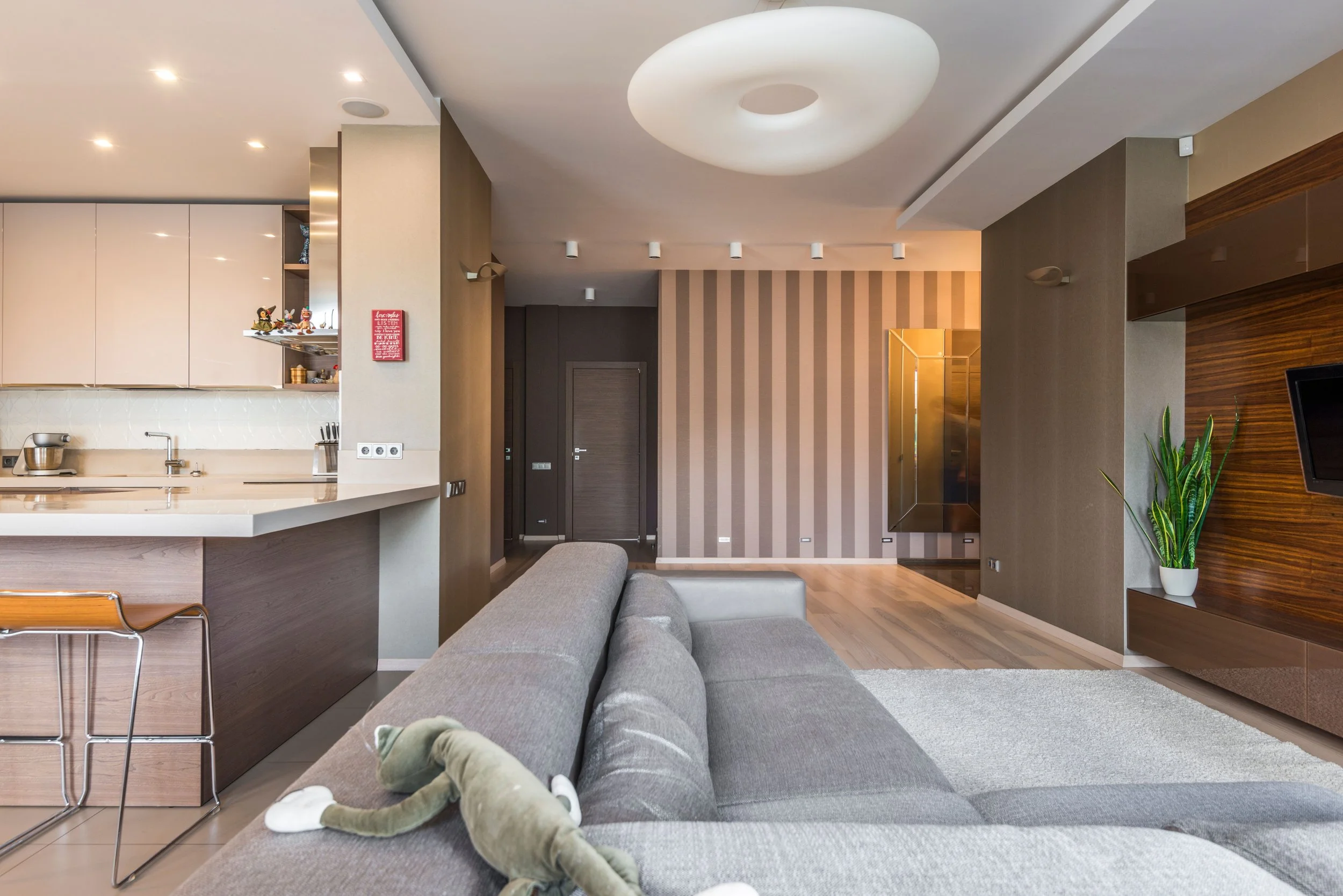
For owners of private residences in Singapore planning a significant home transformation, the question is rarely whether to be involved. Most are, closely and by choice.
The more consequential question is what gets built when no single entity holds the design intent, the client brief and full accountability for the outcome in one place.
What Coordinating a Home Transformation on Your Own Actually Involves
A DIY home interior approach at this level is not a weekend undertaking. It means sourcing and directing multiple independent specialists, making several design decisions without a unified brief to test them against, and holding continuity of intent across every phase without professional support.
The difficulty is not the effort involved. Capable people manage demanding projects routinely. It is that every decision made in isolation carries a small risk of fragmenting the coherence of the finished home, and those risks compound quietly.
Where Design Coherence Gets Lost
When individual specialists work without a single design authority translating the client's brief into each decision, every choice can be technically sound while the result still fails to read as one considered home. The joinery is well made and the lighting is competent, but the rooms do not speak to one another.
The gap between a home that looks assembled and one that feels resolved is almost always traceable to whether a single entity held the full design intent from start to end. A DIY home interior design process distributes that authority by its nature, which is precisely what makes it difficult.
Is It Better to Hire an Interior Designer or Do It Yourself?
For owners engaging landed interior design services or commissioning luxury condo interior design services in Singapore, the honest answer has little to do with the homeowner's capability. It concerns what kind of outcome is produced when design intent is distributed across several independent parties, instead of being concentrated in one consultancy.
A consultancy's value is not that it removes the homeowner from the project, but that t it gives them a clearly defined and appropriate role within it. Meanwhile, the firm takes full ownership of translating the brief into a coherent home. The client decides. The consultancy is answerable for whether those decisions cohere.
What an Interior Design Consultancy Takes Full Ownership Of
The Brief and Everything It Must Become
A consultancy's first and most consequential responsibility is to understand the client's life, values and vision with enough precision that the brief survives every downstream decision without losing its character. That is the same discipline that underpins any home designed to one family's specification.
Without that understanding held and protected by a single entity, the brief dilutes across phases until the finished home reflects the path of least resistance rather than the family inside it.
Accountability from the First Conversation to Final Handover
Single-point accountability means the entity that heard the brief, developed the design and directed every specialist is also the entity that stands behind the finished home.
Continuity of responsibility is the difference between a home that was managed and a home that was designed, and it is worth establishing clearly before any work begins.
What a Single Point of Ownership Preserves
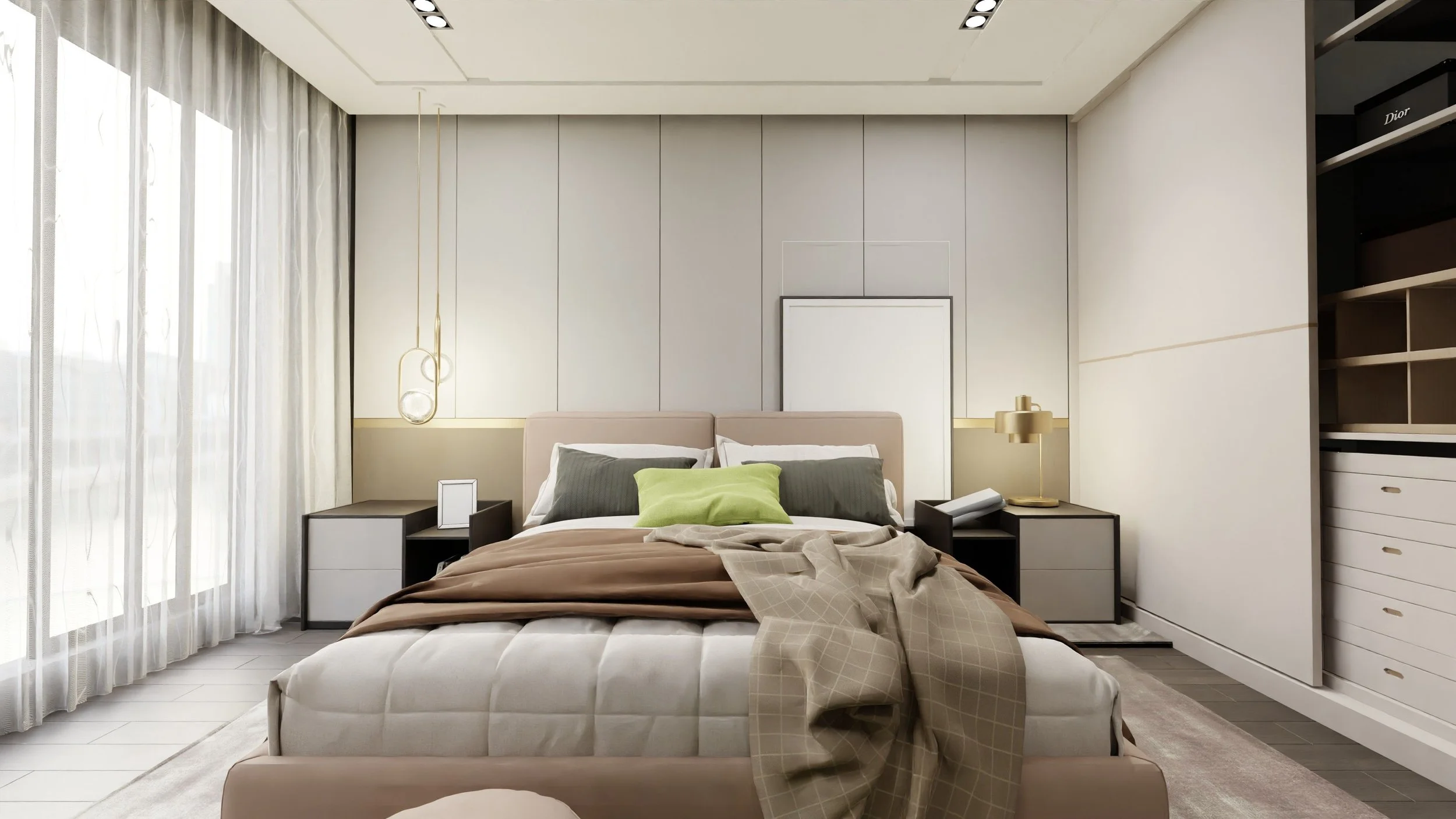
The distinction between DIY home interior design and engaging a consultancy is not a question of involvement. It is a question of what the end result looks like when one entity takes full ownership of the brief, design and outcome.
Planning a high-end home transformation in Singapore? We welcome you to start the conversation with our experienced team at Summerhaus.